Glue vs self-adhesive labeling: the main difference is where the adhesive is applied. Glue labelers apply cold glue or hot-melt adhesive during labeling. Sticker labelers dispense labels that already carry a pressure-sensitive adhesive. For packaging buyers, the better choice depends on the container, label construction, production schedule, cleaning requirements and end-of-life process—not a universal advantage in speed or precision.
Self-adhesive systems are worth considering for varied product ranges and frequent artwork changes. Cold-glue or hot-melt systems may suit repeat production with compatible labels and containers. Compare the complete application before selecting equipment.
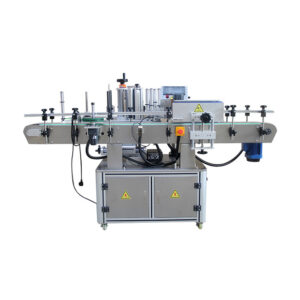
Glue vs Self-Adhesive Labeling: Machine Comparison
“Glue labeling” covers different technologies. Separating cold glue from hot melt makes the comparison more useful.
On smaller screens, scroll horizontally to view all columns.
| Selection factor | Cold-glue labeling | Hot-melt labeling | Self-adhesive sticker labeling |
|---|---|---|---|
| Adhesive supply | Liquid glue applied by the machine | Heated adhesive applied by the machine | Pressure-sensitive adhesive already on the label |
| Typical label format | Pre-cut paper labels | Roll-fed film or paper; some systems use cut labels | Die-cut paper or film labels on a release liner |
| Common applications | Compatible bottles and jars, including returnable glass applications | Wraparound decoration of compatible containers | Round bottles, front-and-back labels, cartons and other supported surfaces |
| Routine attention | Glue condition, application parts and cleaning | Adhesive temperature, deposits and application components | Web tension, sensors, peel plate and liner take-up |
| Changeover | May require label-format parts and glue adjustments | May require cutting, handling and glue-setting changes | Roll and recipe changes; format parts may still be needed |
| Speed and accuracy | Depend on the machine design, container control, label specification and acceptance criteria | ||
| Reuse and recycling | Require a compatible container-label-adhesive combination and a suitable collection, washing or recycling process | ||
How Each Labeling System Works
Cold-glue labeling
A cold-glue labeler meters liquid adhesive and transfers a label onto the container. In a rotary pallet system, glue-coated pallets pick up cut labels and pass them to a transfer mechanism; brushes or rollers then smooth the labels onto the container. The glue is not normally added after the label has already been wrapped onto the product. See the manufacturer’s explanation of cold-glue label transfer for one established machine design.
Hot-melt labeling
Hot-melt systems heat adhesive for application. A roll-fed wraparound machine feeds and cuts the label web, then uses an adhesive pattern suited to its design, often at the leading and trailing edges. Do not treat this as the same process as cold-glue paper labeling. KIC Krones’ labeling adhesive range includes hot-melt products for paper and film labels.
Self-adhesive sticker labeling
A conventional sticker labeler unwinds a label roll and separates each label from its release liner at a dispensing edge. A roller, belt or other applicator presses it onto the package. The machine controls label feeding and placement without mixing or heating application glue. The used liner must still be collected and managed.
Label Materials, Container Shapes and Placement
Label material and container material are separate specifications. A paper label can be applied to a glass bottle, for example. Both technology families can serve multiple container materials when the adhesive and handling system are suitable.
For glue vs self-adhesive labeling, first define the labeling surface: cylindrical, flat, tapered, flexible or recessed. A standard round-bottle applicator should not be assumed to handle cones, grooves or compound curves. These may require a shaped label, dedicated fixtures or a different application method.
VTOPS offers an automatic round bottle labeling machine for cylindrical packages and a separate carton sticker labeling machine for carton surfaces. These are different handling configurations, rather than proof that one machine fits every package.
Check your container and label compatibility
Share container drawings, label dimensions and the intended label position so our team can assess a suitable applicator configuration.
Speed and Label Placement Accuracy
Neither adhesive technology is inherently faster or more precise in every application. High-output rotary glue labelers exist, while sticker labelers range from small tabletop units to automated production equipment. Compare machines at the same container size, label format and required finish.
The VTOPS equipment catalogue lists 40–120 pieces per minute for the VTOPS-L821 wraparound labeler. This is a catalogue specification for that model, not a verified result for every bottle or evidence that sticker systems outperform glue systems. Confirm the current configuration and achievable output using production samples.
Define acceptable vertical position, skew, seam alignment and front-to-back spacing before testing. Record the run duration, sample count, rejects and stoppages. Good-container output over the agreed run is more useful than a brief peak-speed display.
Site Video of Automatic Round Bottle Labeling Machine | VTOPS-L-RB
Maintenance, Changeover and Total Cost
Glue systems add adhesive-handling tasks. Depending on the design, these include cleaning rollers or pallets, controlling glue condition, or maintaining heated application components. Sticker systems avoid those tasks, but still require cleaning, sensor checks, web-path adjustment and liner handling. Maintenance effort should be compared for the actual models and production schedule.
When comparing glue vs self-adhesive labeling, request consumable quotes for the same artwork, dimensions and order volume. Unglued labels may cost less per piece, while self-adhesive constructions include adhesive and usually a liner. That difference alone does not determine production cost.
- Consumables: labels, glue where applicable, liner handling and cleaning materials.
- Operating time: setup, cleaning, replenishment and changeover labor.
- Losses: startup waste, rejected packages, rework and downtime.
- Equipment: purchase cost, format parts, servicing and utilities.
Compare these costs per accepted labeled container over a representative production schedule. Frequent short batches and long repeat runs can lead to different purchasing decisions.
Durability, Returnable Bottles and Recycling
Water resistance and heat resistance depend on the full label construction: facestock, ink, coating and adhesive, together with the application surface. A film sticker is not automatically suitable for wet bottles, and a cold-glue label is not automatically water-soluble during consumer use. Ask the label supplier to validate the actual storage, transport and washing conditions.
Returnable-bottle reuse is different from material recycling. Reuse keeps the bottle intact for cleaning and refilling. Recycling processes the material into new products. The label requirements can differ between these routes.
Wet-glue systems can be suitable for returnable glass when the label and adhesive match the bottle-washing process. Self-adhesive wash-off labels are also available: Avery Dennison describes pressure-sensitive solutions for glass reuse and recycling. Therefore, choosing glue vs self-adhesive labeling does not by itself establish which package is recyclable or environmentally preferable.
For a returnable-bottle project, test removal using the intended washer conditions and check residue and wash-water effects. For single-use packaging, verify compatibility with the relevant recycling stream. Include label waste, liner management and actual local recovery options in the assessment.
What to Specify Before Buying a Labeling Machine
- Package: material, dimensions, tolerances, shape and filled-container stability.
- Label: artwork, facestock, adhesive, dimensions and placement drawing.
- Label supply: cut-label format or roll core, outer diameter, gap and unwind direction. Review the roll-orientation guidance on the VTOPS labeling equipment page before ordering rolls.
- Production: accepted containers per minute, batch lengths and changeover frequency.
- Environment: surface moisture, application temperature and service conditions.
- Acceptance: position tolerance, appearance, adhesion and removal requirements.
- Integration: conveyor height, available space, upstream supply and downstream stoppage signals.
For powder products, the VTOPS powder bottling line solution shows how labeling fits alongside filling, capping and sealing. Confirm that the whole line can support the required output and that the bottle surface reaches labeling in a suitable condition.
The practical decision in glue vs self-adhesive labeling is the system that meets your package specification at an acceptable operating cost. Request a trial with the actual containers and labels before finalizing the purchase.
Frequently Asked Questions
Can the same label be used on a glue labeler and a sticker labeler?
Usually not without changing the label construction and supply format. A conventional sticker labeler requires pressure-sensitive labels on a compatible liner. Cold-glue and hot-melt machines use labels designed for their feeding and adhesive systems. Confirm specifications before ordering printed stock.
Which system is better for frequent product changes?
A sticker labeler can be convenient when artwork changes but the package geometry stays similar. Different bottle shapes, label positions or label sizes may still require adjustment or format parts. Compare actual changeover procedures and times for your product range.
Can self-adhesive labels be used on returnable glass bottles?
Yes, suitable wash-off constructions are available. Standard permanent labels should not be assumed to detach cleanly. Validate the finished printed label with the bottle supplier and washing process, including removal and adhesive residue.
Does a 120-bottle-per-minute specification guarantee my line output?
No. The labeler model, bottle stability, label dimensions, feeding conditions and quality requirements affect output. Upstream and downstream equipment can also limit the line. Agree on a sustained production test and acceptance criteria for your actual package.
Select a labeling system for your production line
Send your bottle samples, label specification, target output and cleaning or reuse requirements so VTOPS can review equipment options and a suitable sample trial.


